I don't have much loyalty to a stack. A tool earns its place when it helps me turn an idea into something useful without getting in the way.
What fits the problem
My daily driver is a Mac, Cursor, and coffee.
TypeScript is my home base for product work, but the rest depends on what I'm building. React, Ember, and Next.js have all been the right choice in different contexts. GraphQL is useful when the frontend and backend need a shared contract; a small API may only need REST.
The same is true on the backend. I've worked in Java, Node.js, and Python. Python is still my first choice when I want to process data, automate something, or test an idea quickly.
I also enjoy writing CSS directly. Grid, Flexbox, custom properties, and the cascade usually give me what I need. The specific tool matters less than understanding what it is doing for me.
Idea to implementation
I use ChatGPT when I'm shaping an idea or looking for the weak point in a decision. Once the work moves into a repository, I rely on Claude or Cursor to navigate the files, patterns, tests, and surrounding system.
They don't replace judgment, but they make small ideas cheap enough to try. Something that would have sat in a backlog can become a prototype or a useful automation in an afternoon.
Good tools disappear
My favorite tools tend to fade into everyday life. A while ago, I fell down the smart home rabbit hole. A few months later, I had replaced every light switch in the house, added automated landscape lighting, and built routines around my day.
The lights come on around sunset. The temperature adjusts during office hours, the curtains open in the morning, and a robot cleans the floors.
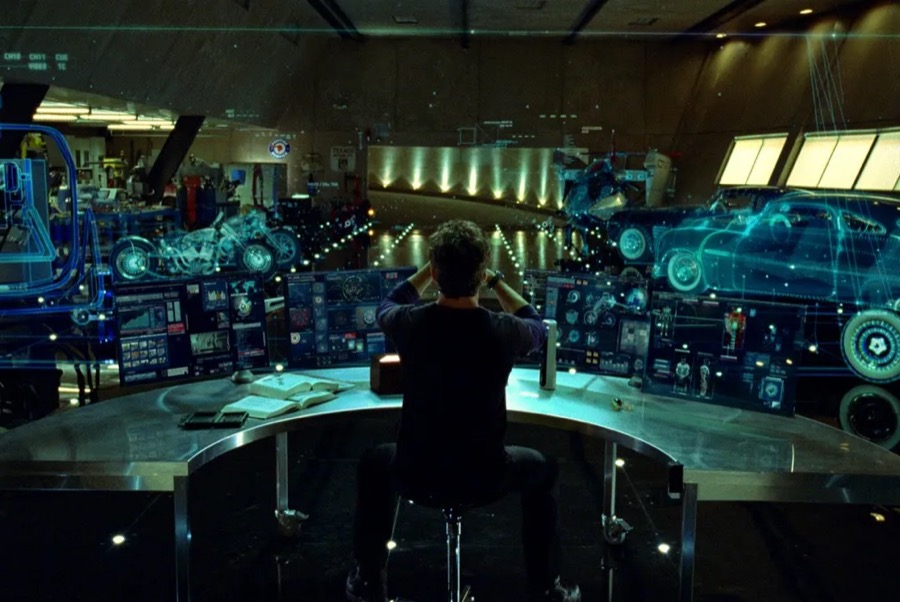
None of it is particularly flashy. That's the point. Good tools remove friction and leave me with less to think about. At this rate, a JARVIS-style agent is probably next, mostly so I can pretend I'm Iron Man.